

Why are Nissan and Honda Suspending Merger Talks?

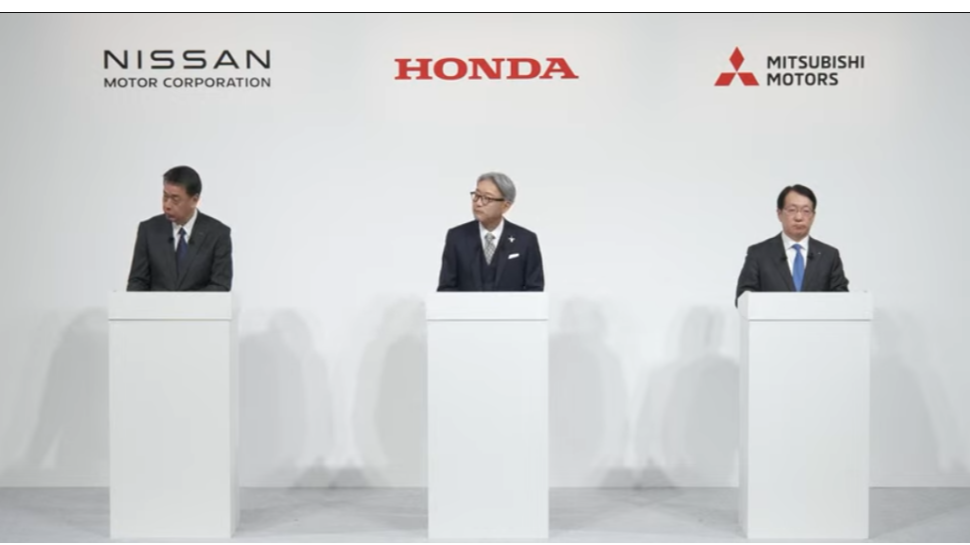
Recent reports from multiple news sources have raised fresh questions about the future of the merger discussions between Nissan and Honda. As the talks approach a critical juncture, several factors—including strategic misalignments and existing alliances—suggest that Nissan may be poised to pull out of the merger talks.
According to a Reuters report published last February 4, there are emerging indications that Nissan is reconsidering its position in the merger talks with Honda. The report, citing sources close to the discussions, hints that Nissan could potentially call off the merger as negotiations have failed to align with its evolving strategic priorities. The pivot comes at a time when the automotive industry is undergoing rapid technological and market changes, with electrification and autonomous driving taking center stage.
Industry analysts from reputable outlets like the Nikkei Asia have echoed these sentiments, pointing out that Nissan’s decision might stem from an internal assessment of how best to navigate the competitive landscape. Nissan’s leadership appears to be weighing the benefits of a merger against the flexibility of pursuing independent strategies or alternative alliances that can better serve its long-term interests.
ALSO READ
Honda and Nissan Have Officially Begun Merger Talks: What You Need to Know
Implications of an Alliance with Renault
Nissan’s current alliance with Renault remains a critical factor in this equation. Historically, the Renault-Nissan partnership has provided Nissan with a lifeline that came with benefits during the Carlos Ghosn years, including shared technology, cost efficiencies, and a broader global reach. However, the alliance has also been marked by its own set of challenges, from management conflicts to differing strategic visions between the partners.
If Nissan decides to pull out of merger talks with Honda, it may look to reinforce and recalibrate its relationship with Renault. This could involve renegotiating terms or deepening cooperative ventures to leverage mutual strengths, especially in the face of escalating competition from other global automakers. Conversely, a merger with Honda might have necessitated a restructuring of these existing relationships, potentially leading to friction with Renault if their strategic interests do not fully converge.
Potential Consequences if the Merger Pushes Through
Should the merger with Honda push through despite the reservations, the combined entity could potentially benefit from a more diversified product portfolio and enhanced economies of scale. The consolidation could drive accelerated investment in electric vehicle (EV) technology and autonomous driving, aligning with the global shift toward sustainable mobility. Moreover, the merger might open up opportunities for improved market penetration in regions where either company has historically underperformed. Either brand may also cull redundant models in their lineup. With both companies have their own particular brand DNA specially in the world of motorsports, it would be interesting to see which iconic models would survive after the merger. For Nissan, the legendary GTR and the iconic Nissan Z comes to mind.
According to Reuters, Honda, has a market value of about 7.92 trillion yen ($51.90 billion) which is more than five times bigger than Nissan at 1.44 trillion yen. This makes Nissan increasingly worried about its smaller rival's progress on the turnaround plan. A merger could also introduce new complexities. Integrating two large, historically independent organizations could prove challenging, particularly when reconciling different corporate cultures and management styles. The merger might also complicate existing strategic alliances, such as that with Renault, forcing Nissan to balance multiple partnership commitments simultaneously. In this scenario, short-term operational disruptions and strategic misalignments could undermine the long-term benefits expected from the consolidation.
Consequences if Merger Talks Fall Through
If Nissan ultimately pulls out of the merger talks with Honda, the company may be better positioned to pursue a strategy tailored to its unique strengths. By continuing its alliance with Renault, Nissan can focus on incremental innovation and targeted investments in next-generation technologies without the need to compromise on its corporate identity or long-standing strategic partnerships.
However, a failure to merge could also mean missing out on the potential synergies that a larger, consolidated entity might offer. The automotive market is increasingly competitive, and without a merger, Nissan could find it more challenging to scale rapidly enough to meet the demands of an electrified and autonomous future. Investors might also view the decision as a sign of internal uncertainty, potentially affecting market confidence.
“The prospect of the merger being scuppered raises questions about how hard-hit Nissan, which is in the middle of a turnaround plan and aims to cut 9,000 employees and 20% of global capacity, can ride out its latest crisis without external help,” Reuters said in its report.
The decision facing Nissan is complex and multifaceted. On one hand, withdrawing from merger talks with Honda might preserve Nissan’s operational flexibility and allow for a more focused pursuit of its strategic goals, particularly in its alliance with Renault. On the other hand, a successful merger could have bolstered Nissan’s competitive position through enhanced resource pooling and shared technological advancements.
Ultimately, Nissan’s next moves will likely be influenced by ongoing assessments of market dynamics, internal strategic reviews, and the evolving demands of the global automotive industry. Both scenarios—pursuing a merger or maintaining the status quo—carry their own sets of risks and rewards. As industry analysts continue to monitor developments closely, stakeholders from investors to employees will be watching for signals that clarify Nissan’s long-term strategic direction. In a rapidly evolving market, Nissan’s decision will not only impact its own future but could also set a precedent for strategic mergers and alliances across the global automotive landscape.
